For the past few years, the agony of a peculiar impotence has often brewed a restless storm within my mind—the utter inability to write. I suppose I was never truly a writer to begin with. Whatever I managed to scribble were merely scattered, rambling memories gathered along my journeys. Besides, before I left my homeland, life was vibrant and eventful. There was the daily communion with people, a beautiful unpredictability in the rhythm of existence. Since my emigration, life has become bound to a rigid grid, utterly stagnant. This relentless monotony has drained the wellspring of my writing entirely.
Compounding this, over the last few months, I feel as though I have lost the very capacity to think, or at least to orchestrate my thoughts. Through prolonged disuse, the neurons and synapses of my brain seem fatigued, steeped in an unfamiliar lethargy. The moment I try to think, words tangle into knots; countless fragmented thoughts collide and spiral into chaos. To weave those tangled thoughts into writing is an even more Herculean task. Perhaps the act of thinking is much like the physical limbs of the body—left unexercised and neglected, the gears of the mind begin to rust. From not writing, from not thinking, I feel I can no longer translate my own soul. I can no longer articulate my existence into words. I could barely write before; today, I cannot even think.
Perhaps we never truly grasp the value of what we possess until it slips through our fingers. Yet, the absence of what we lack is always glaringly evident. It demands no extra effort to be felt. This profound inability hangs before me like an invisible shadow—like an unalterable, inevitable destiny. It lingers like the stubborn notification of a cheap app, or the unskippable ad on a free video. You may avert your eyes, but it remains; you cannot erase it, no matter how desperately you try.
How much can a person truly force themselves to do against their own will? Especially in pursuits devoid of a definitive destination or a looming deadline? You know those clothes you’ve worn just once? The ones that aren’t dirty enough to justify the sheer fatigue of washing them, yet not quite pristine enough to be folded neatly back into the wardrobe? It is those very garments that quietly build a silent, chaotic empire over a chair or the corner of a bed.
In much the same way, amidst the deafening cacophony of endless deadlines, our optional labors of love pile up, reduced to silent spectators. Gathering dust through sheer neglect, they slowly transform into a graveyard of our own unfulfilled promises. We merely console ourselves with the whisper of a lie: that one day, with tender care, we will breathe life back into these faded desires.
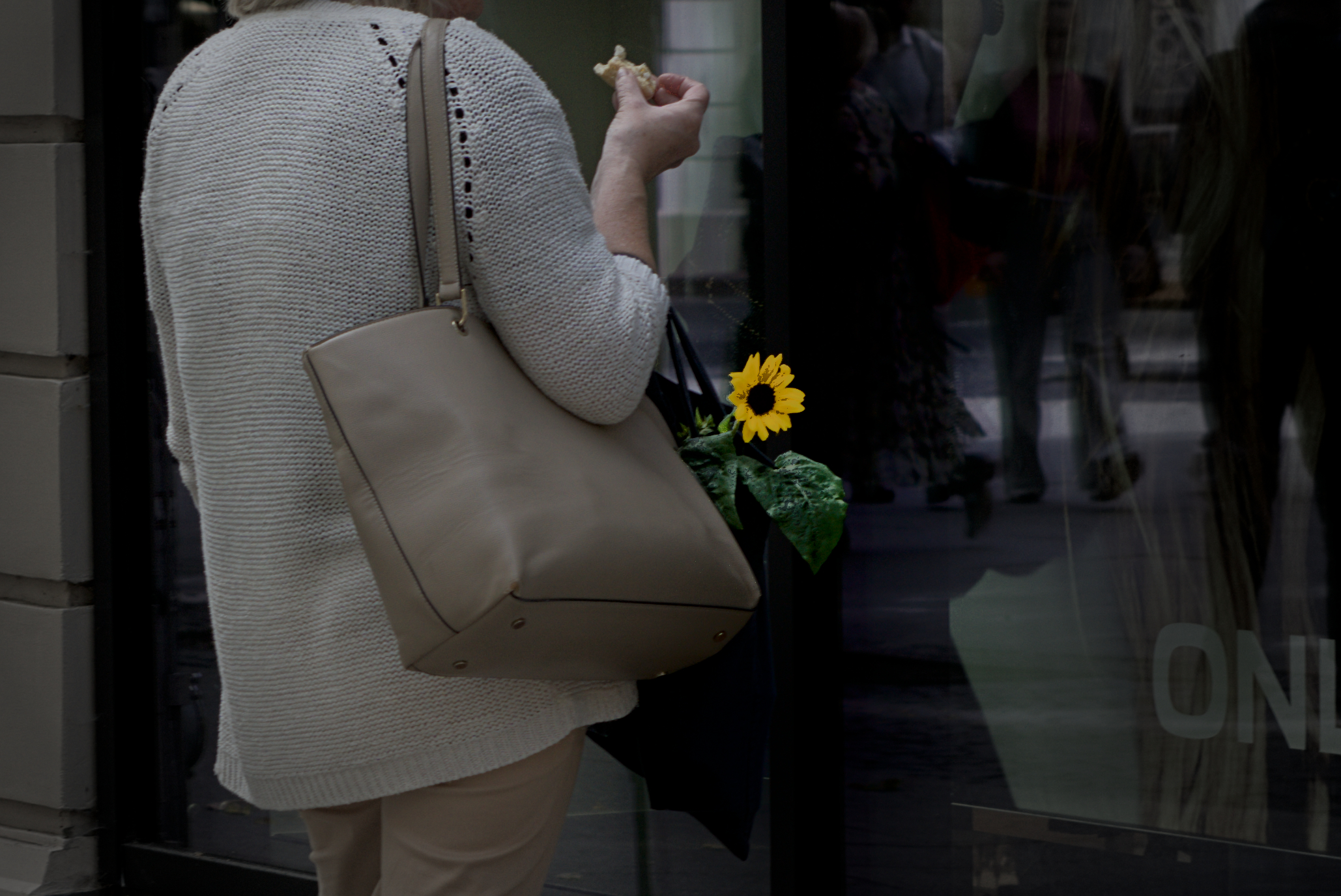
Devoid of human warmth, my life in this necropolis resembles the sterile confines of a hospital room—silent, solitary, yet immaculately perfect and tidy. There is no chaotic hum of life here; only a colorless, odorless, clinical cleanliness. I no longer pause in my daily commute to marvel at an unfamiliar tree. I no longer press my eye to a viewfinder in search of a nameless bird, nor do I feel a pang of tenderness for a wild grass-flower blooming by the pavement. Human faces have dissolved into mere geometry—a sum of lines and wrinkles. The urge to decipher the unspoken stories hidden within the creases of their foreheads has long since withered away.
Finding tranquility in a single cup of tea amidst the roaring clamor of TSC, or those deep nights spent reclaiming myself while wandering aimlessly down Bailey Road or through Ramna—these have all become exiled chapters from the manuscript of my life. The anticipation of a monsoon expedition to Lung Phei Va, or the thrill of camping under winter’s blanket in Char Kukri-Mukri, have silently slipped away from my existence. They fell away just as the very last leaf of autumn detaches itself in total obscurity, leaving behind neither a trace of grief nor a single monument of memory.
I do not feel the desire to think anymore. Nor do I feel the desire to write.